About us
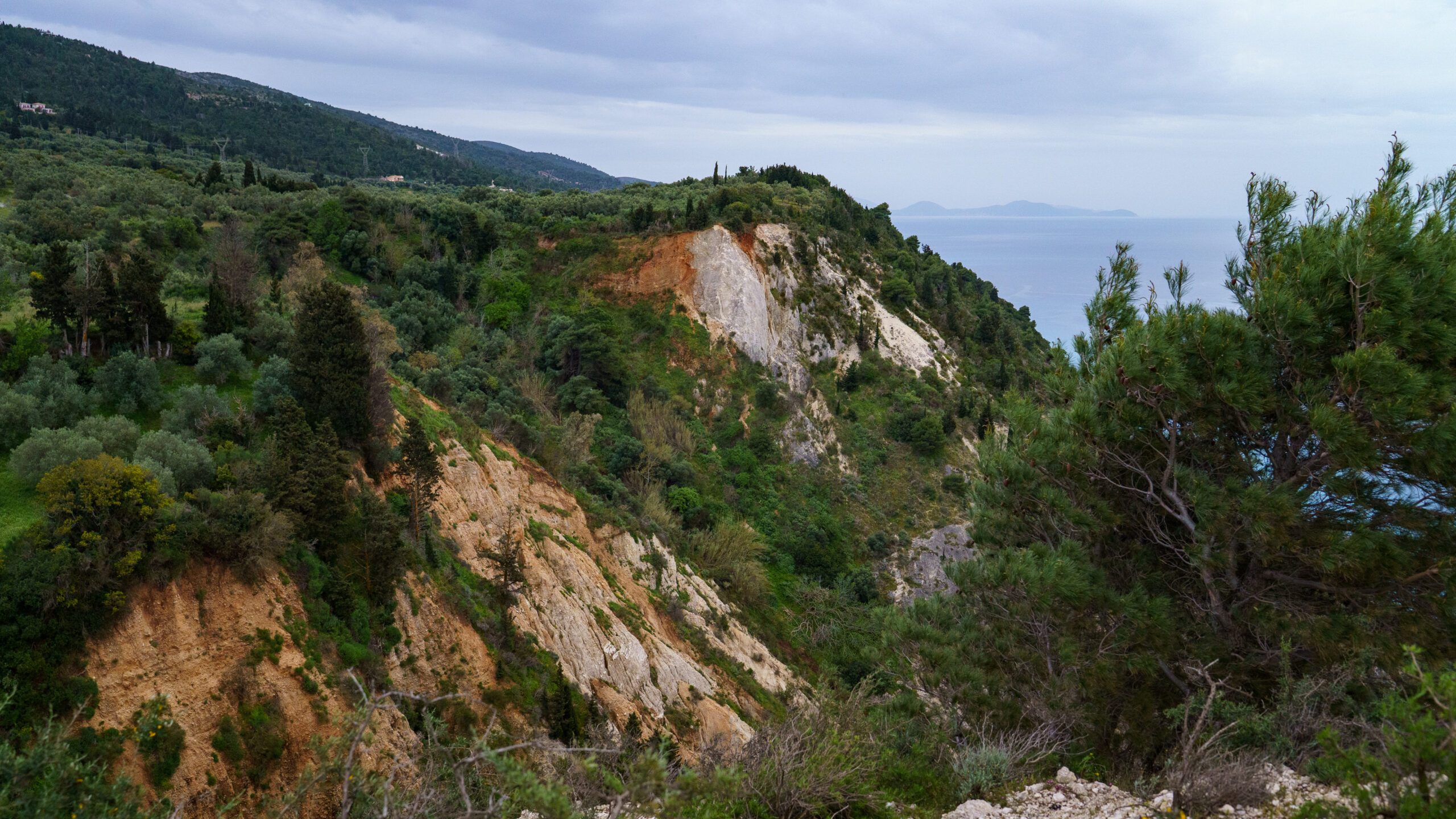
The Adriatic region is highly exposed to natural hazards, especially earthquakes. The eastern Adriatic Plate, our focus area, offers a unique opportunity to explore the causes of these risks.
DEFORM’s goal is to model plate deformation and geohazards using advanced technologies like digital imaging, seismotectonic analysis, and numerical simulations.
Through collaboration, workshops, and partnerships, we integrate real-world data into 3D models. Our work aims to improve geohazard understanding and risk assessment in the Adriatic region.


Activity Fields
Activity Field A
Tectonics and Geodesy
A characterization of the geohazard in the Adriatic region requires tectonic knowledge of the region. This includes the understanding the relevant tectonic units, their interactions, and fault zones at their boundaries. Activity Field A is tasked with mapping of active faults, determining their slip rates and seismic coupling. A unified fault database provides input to geohazard modeling and risk assessment.

Activity Field B
Seismic Imaging and Passive Seismic Experiments
Deformation at the surface is directly connected to processes in the Earth’s crust and the upper mantle. Geological processes such as rift building or orogenesis are for example related to asthenospheric mantle flows and the geometries of subduction zones. Imaging these features is therefore important to understand surface deformation. Onshore and offshore passive and active seismic experiments in Activity Field B provide the necessary models of the subsurface on local and regional scales.
Activity Field C
Seismicity and Seismotectonics
Seismicity is widely abundant in the Adriatic region. A classification and mapping of seismicity levels is essential to analyze current stress regimes. Working closely with Activity Field A “Tectonics and Geodesy” and Activity Field B “Seismic Imaging”, Activity Field C uses local passive seismic experiments to extend knowledge of small-scale seismicity in the Adriatic region and to guide mapping of active faults.


Activity Field D
Geodynamic and Geohazard Modeling
Quantification of seismic hazard is a main focus of DEFORM. With inputs from the other Activity Fields, Activity Field D aims at characterizing surface deformation and other geodynamic consequences of subduction and collision processes, and at estimating the seismic hazard in the Adriatic region. This includes for example slip potential at individual faults or the tsunamigenic hazard of possible earthquakes.